Growing Up Irish: Rethinking St Patrick's Day Rituals
/
Why Do we drink so much on March 17?
My grandfather passed away from alcohol abuse when my mother was twelve. No-one drank on St. Patrick’s Days at my house.
Six years in to living an alcohol-free lifestyle, and St. Patrick’s Day is still the greatest source of temptation for me. I would like nothing more than to find an overcrowded dark pub and get sh**-faced on pints of beer. No other holiday on the calendar has this hold over me - I can survive New Years Eve, Christmas and summer long weekends just fine. But March 17 is tricky.
I grew up in a proudly Irish household on my mother’s side of the family. Our house had a resident leprechaun that visited us on St. Patrick’s Day, just like an Easter bunny. But instead of chocolate, we first had to endure the legendary Irish trickery. There were upside down cans in the cupboard, green water in the toilet and one year he stole a bowl of green jello from the refrigerator and ate half of it. My mom would hide bags of minty green jelly candies in paper bags in the backyard and my sisters and I would run around to try and find them.
We danced our own Ceilidhs around the living room to Irish Rovers classics, duly singing “Oh my father he was orange and my mother she was green!” when it was time. There was always soda bread with raisins - fresh from the oven, and a treat we looked forward to all year.
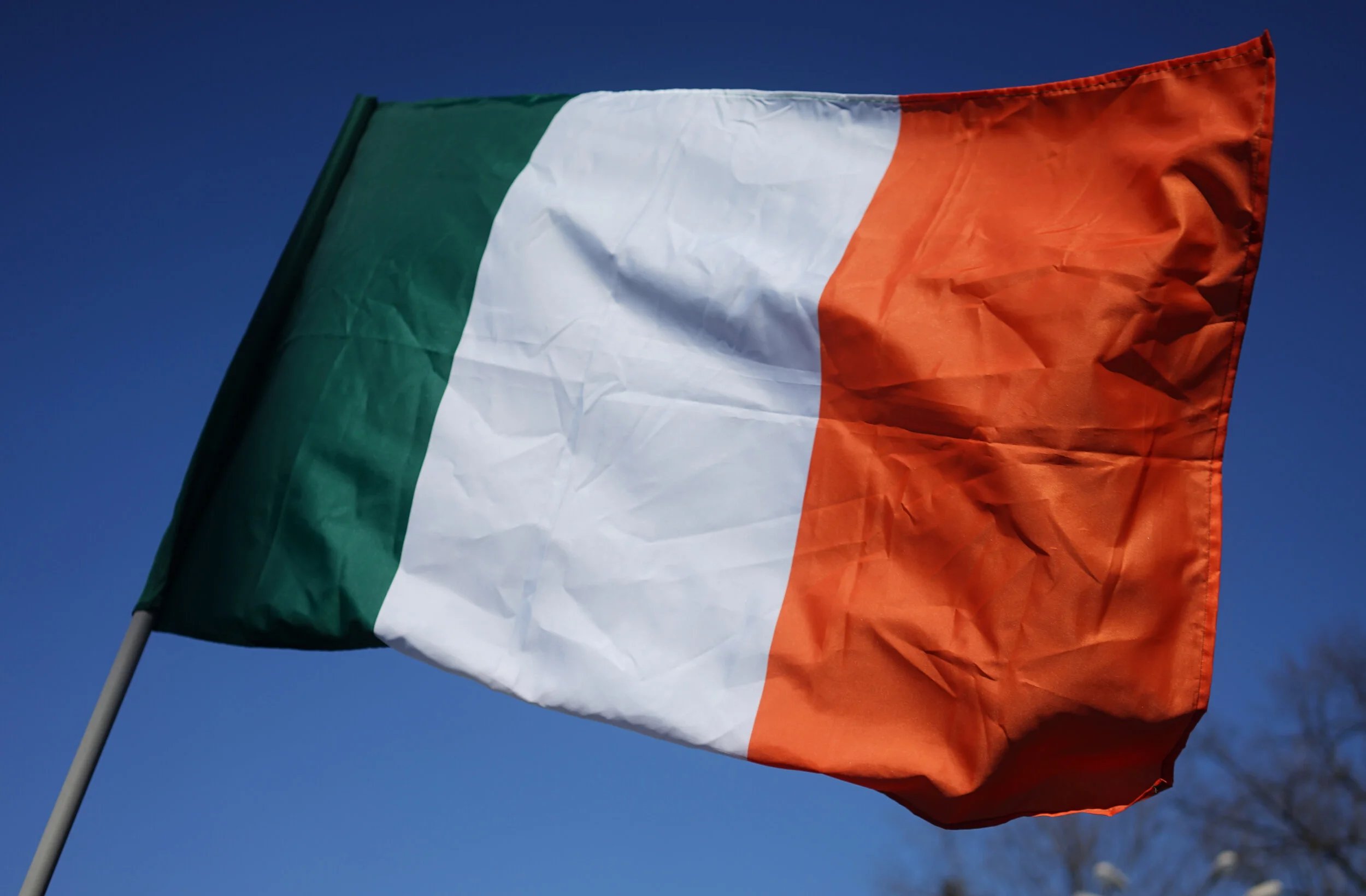
No-one drank in my house on March 17.
The grandfather I never knew died from alcohol-abuse when my mother was in her early teens. Alcohol was never around, neither of my parents drank and St. Pat’s was just a special holiday that no-one else at school got to have like we did.
St. Patrick's Day first started in Ireland in honor of Saint Patrick on the anniversary of his death, which falls during Lent - a period of restriction leading up to Easter. For one day, and one day only, Catholics were allowed to drink and eat as much as they wanted, and then it was back to observing Lent the next day.
And so they did, taking great advantage of the hall pass granted them. Eventually, St. Patrick's Day became less about the man and more about general Irish traditions, culture and history marked with feasting and a LOT of drinking.
St. Patrick’s Day is now the fourth most-celebrated drinking day in North America. Sadly, all around the world, getting drunk on March 17 has become synonymous with Ireland, and its reputation as a country of alcoholics (a 2023 study showed that alcohol-use disorder rates in Ireland match those of the U.S but are also slightly higher than many other high-income European countries).
So why does everyone, and not just the Irish, drink so much on St. Patrick’s Day? My position on this is a bit uninformed, but I believe some of the blame lies with alcohol marketing campaigns, supercharging a holiday aimed to sell more alcohol.
As soon as I grew up, moved out and discovered the adult version of St. Patty’s Day, I began to harbour a deep dark secret. I loved to drink and March 17 gave me a free-pass to being raucous and wild, often drinking from noon until 3 a.m. moving from one pub to another until I crawled home.

On my first sober St. Patrick’s Day, back in 2021 when we were all socially isolated because of the pandemic, there wasn’t any pressure to drink - thank goodness or I may have caved to the temptation.
It was a good time for me to try and find my childish joy in the celebration of St. Pat’s again and share it with my own kids. As Taylor Swift says “It’s my place and I make the rules”.
I pulled up some Irish music on YouTube, made a soda bread, tricked my kids to believing a leprechaun wrapped our TV in green paper and then gave them some candy. They loved it.
There was no such thing as Guinness 0 at the time, but I do remember finding something non-alcoholic to drink. It was fine. But even better, March 18 was a banger as I sprang out of bed without a hangover for the first time in two and a half decades.
It turns out I wasn’t the only one thinking about giving up alcohol. Back in 2021, Dublin launched the first non-alcoholic bar in the country called The Virgin Mary. It was a laughable idea to many, and sadly has since closed, but I looked at the venture with admiration. It tried to make its point.
Simultaneously, Guinness 0 launched in Ireland and was lauded at pubs across the country. Ireland has also implemented very harsh penalties for drunk driving, which has also helped force the hands of barkeeps hesitant to put non-alcoholic options on their menu. The tide is changing for socializing in Ireland - and even with a long way to go, they’re setting the bar for the rest of the world in many ways.
As for me, I’ve gained a new appreciation for my roots since that first sober St. Pat’s and March 17 now involves corned beef, colcannon or roasted cabbage, and definitely non-alcoholic beer.
Slainte friends!
Looking for something to drink for St. Patrick’s Day?
Read our review of 0.0 Guinness here
Visit our St. Patrick’s Day recipe collection.
*A rethinking drinking tip for you: hops, the main ingredient in beer, provides several heart healthy nutrients that end up getting obliterated by the alcohol in your system. Alcohol-free beer delivers all the same great benefits including the taste, but minus the alcohol and hangover afterwards.