Review: Bolle Grand Reserve Non-Alcoholic Blanc de Blanc
/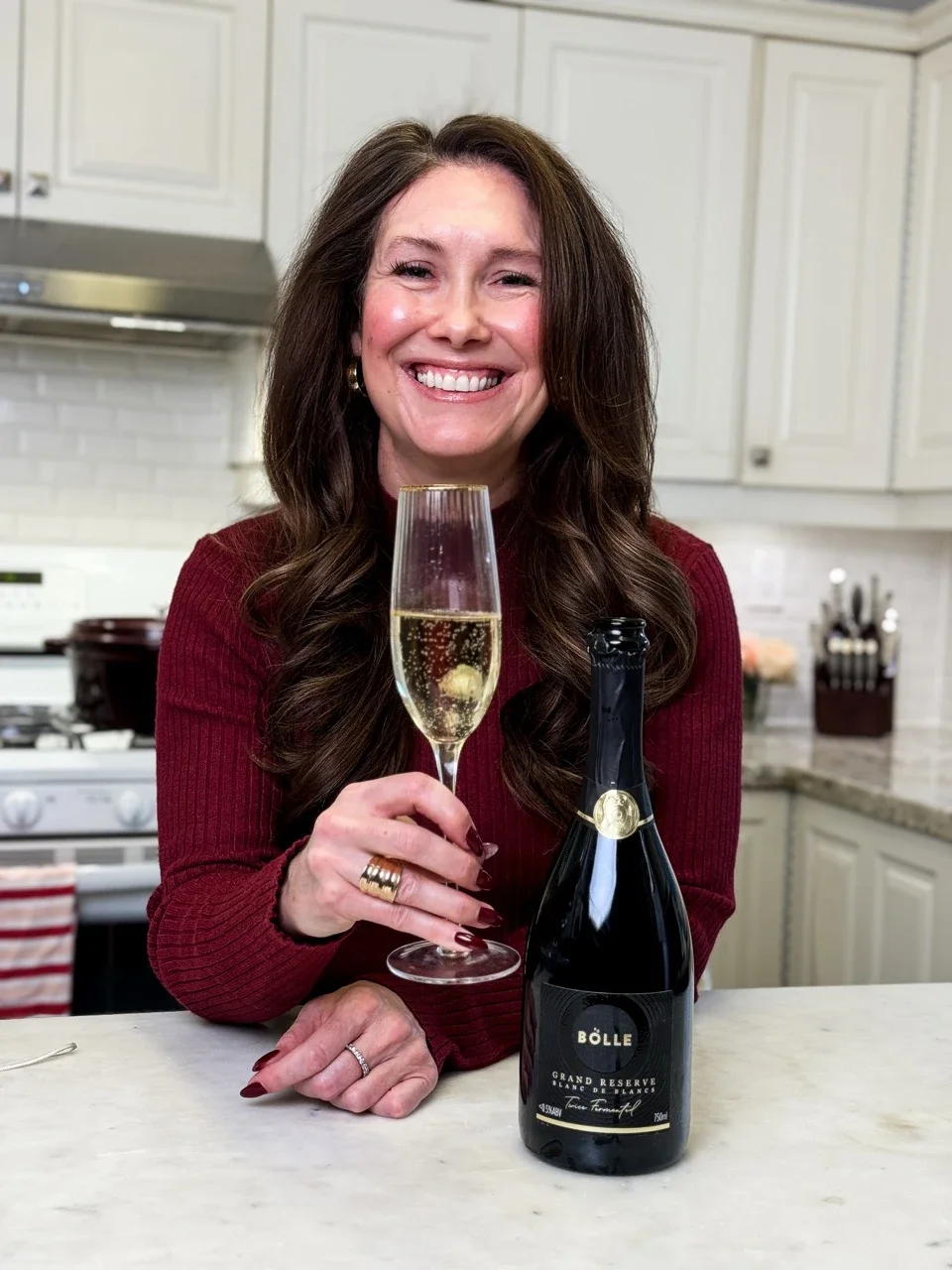
A few months ago, I reviewed the Bolle Blanc de Blanc sparkling wine and was truly blown away by its level of quality and taste. I was fascinated by how the team at Bolle was able to create this dealcoholized wine. Through an interview with Bolle co-founder Gary Read, I discovered they used several key innovations to develop their incredible wines.
Through the age-old technique of secondary fermentation, Bolle’s winemaker was able to coax out secondary and tertiary flavours from the dealcoholized wine. To do that they needed to develop their own low-alcohol yeast which produces minimal amounts of alcohol during the secondary fermentation process. Together, these innovations amount to a breakthrough in production technique for dealcoholization and have raised the bar enormously.
They’ve now released several more wines on top of their original blanc de blanc and sparkling rosé, including the one I tried today which they are calling a Grand Reserve. In wine terms, Grand Reserve usually means it’s been aged longer and higher quality. In this case, the Bolle Grand Reserve has been aged on lees for six months.
The original wine is made with 100% chardonnay grapes and aged on lees before it undergoes dealcoholization. The dealcoholized wine is then bottled with non-fermented chardonnay must (sugar) and a low-alcohol yeast, to undergo a secondary fermentation. This is how traditional champagne is made, but in the Bolle wines, the yeast is a very low alcohol producing yeast which maintains an ABV under 0.5%.
A fascinating and labour intensive experience, but you can see the passion for both winemaking and a life with less alcohol in the efforts Bolle is putting towards their wines. Let’s see how this tastes!
Aroma
A very muted aroma of brioche and not much else, but that’s ok. It’s clean and crisp and does not smell artificial, which some non-alcoholic wines do.
Taste
The notes in this bubbly are really lovely. It’s got a very clean and crisp flavour with a hint of caramel, apricot and green apple. Medium acidity. When it warms up a little, you can coax some of the yeasty lees notes out of it but they are faint - less pronounced than the first version of blanc de blanc.
Mouthfeel and experience
The mousse on this sparkling is superb. As with the first blanc de blanc, there is no artificial carbonation so the bubbles are naturally produced during secondary fermentation. To me, this is still a wonder to behold in a category where everyone uses artificial carbonation, even the most elite wines. The bubbles are soft and playful and perfect for an elevated bubbly.
Overall
This wine has a similar style to a 2010 vintage, if my memory serves me. It’s a lot more elegant than the original blanc de blanc in some ways, but I did expect a little more complexity. That being said, it’s a very lovely and creamy bubbly that drinks like a traditional champagne. I still think I like the first Bolle Blanc de Blanc a little bit better but this is still better than most of the other bubblies in the category.
Score: 93 points
How I rank wines (based on IWSC standards):
95 to 100 - An excellent drink with a great personality. An example that stands out among its peers
90 to 94 - An accomplished drink with considerable personality, character and complexity. A classic example of its style or variety.
85 to 89 - A perfectly well-made drink which provides an enjoyable drinking experience.
80 to 84 - An acceptable but simple drink, lacking distinction.