Taking it lying down: Varnum Vintners on their dealcoholization discovery
/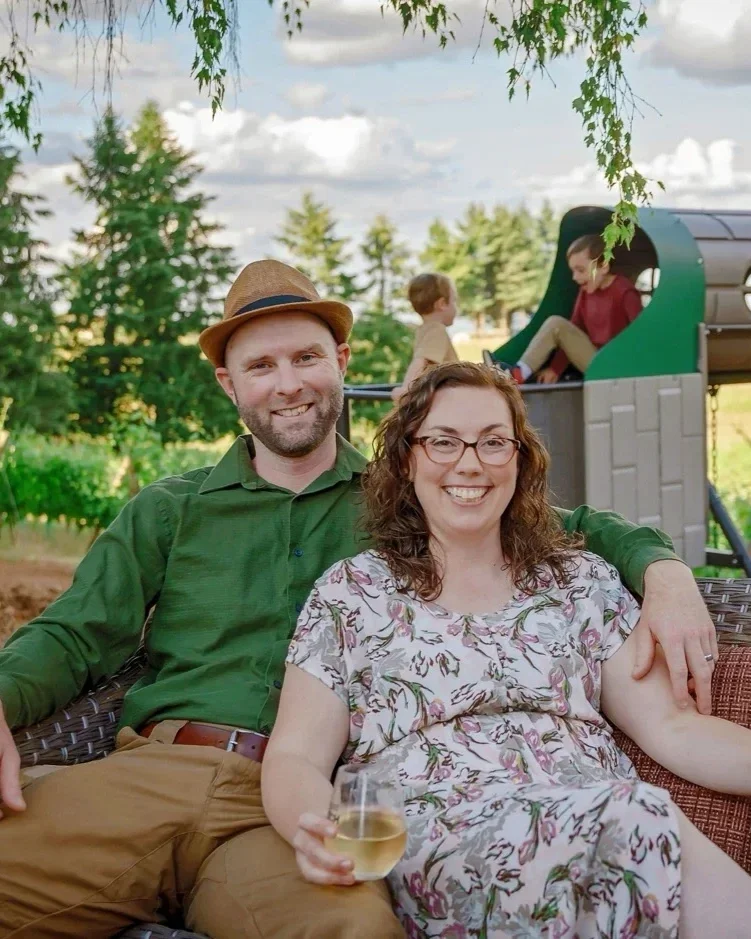
When I spoke with Taralyn Varnum in early September, harvest had arrived about two weeks earlier than expected at Varnum Vintners in Oregon’s Willamette Valley. Her husband and co-founder Cyler was outside processing grapes while Taralyn, a former high school teacher and now full-time winemaker, joined me from inside. Just as we started our zoom call, it started absolutely pouring outside and I could see the worry on Taralyn’s face as she fretted about waterlogged grapes.
One thing quickly became clear. Varnum is quite literally a two-person winery run by two very passionate individuals who are changing the game in dealcoholized wine.
Cyler and Taralyn produce around 2,000 cases of wine per year, with roughly 10% of their current production being dealcoholized wines. Despite their size, this tiny Oregon producer is uncovering some fundamental new truths of dealcoholization and making some of the most interesting non-alcoholic wines I’ve tasted. I recently scored their exceptional 2023 Pinot Noir at 97 points (read the review here).
Their journey into non-alcoholic wine began almost by accident.
In late 2020, a friend came to them with the advice that non-alcoholic wine was about to become a significant category. As traditional winemakers with a small agile winery, the Varnums were willing and able to experiment.
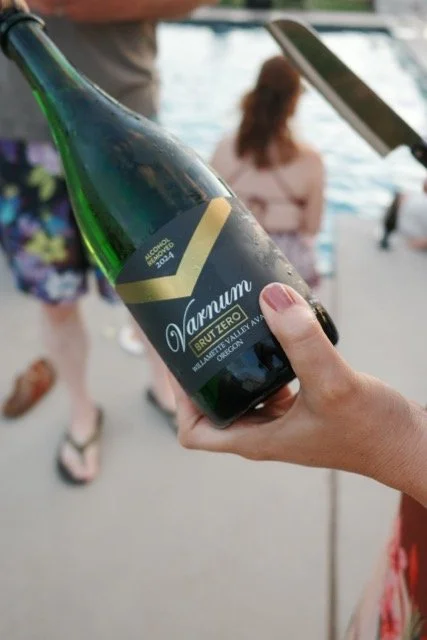
They began dealcoholizing wine in 2021 and released their first dealcoholized sparkling wine the following year. Sparkling wine was an obvious early direction as Varnum had already been making traditional-method sparkling wine since 2014 and had experience with force carbonation.
Making dealcoholized red wine, which is at the center of their traditional winery, presented a much bigger challenge but ultimately led to one of Varnum’s most interesting discovery.
After several rounds of dealcoholization using spinning cone technology, Taralyn and Cyler began comparing what happened to different wines during the process, and a trend started to emerge.
They expected younger wines with their bright fruit and fresh aromatics to survive dealcoholization particularly well, but the opposite happened.
“We thought for sure the bright freshness and cherry of a brand new wine would make it through, but it did not,” Taralyn told me.
Instead, wines that had spent more time aging in barrel or bottle retained more complexity after the alcohol was removed.
“We had the chance to dealcoholize some wine that had been barrel aging for three years, and that became our award-winning 2022 Pinot Noir Gold,” Taralyn explained.
She and Cyler believe the tertiary compounds that develop as wine ages may simply be more resilient to the processing.
“The older wines actually come out with more complexity afterwards, just like a regular wine.”
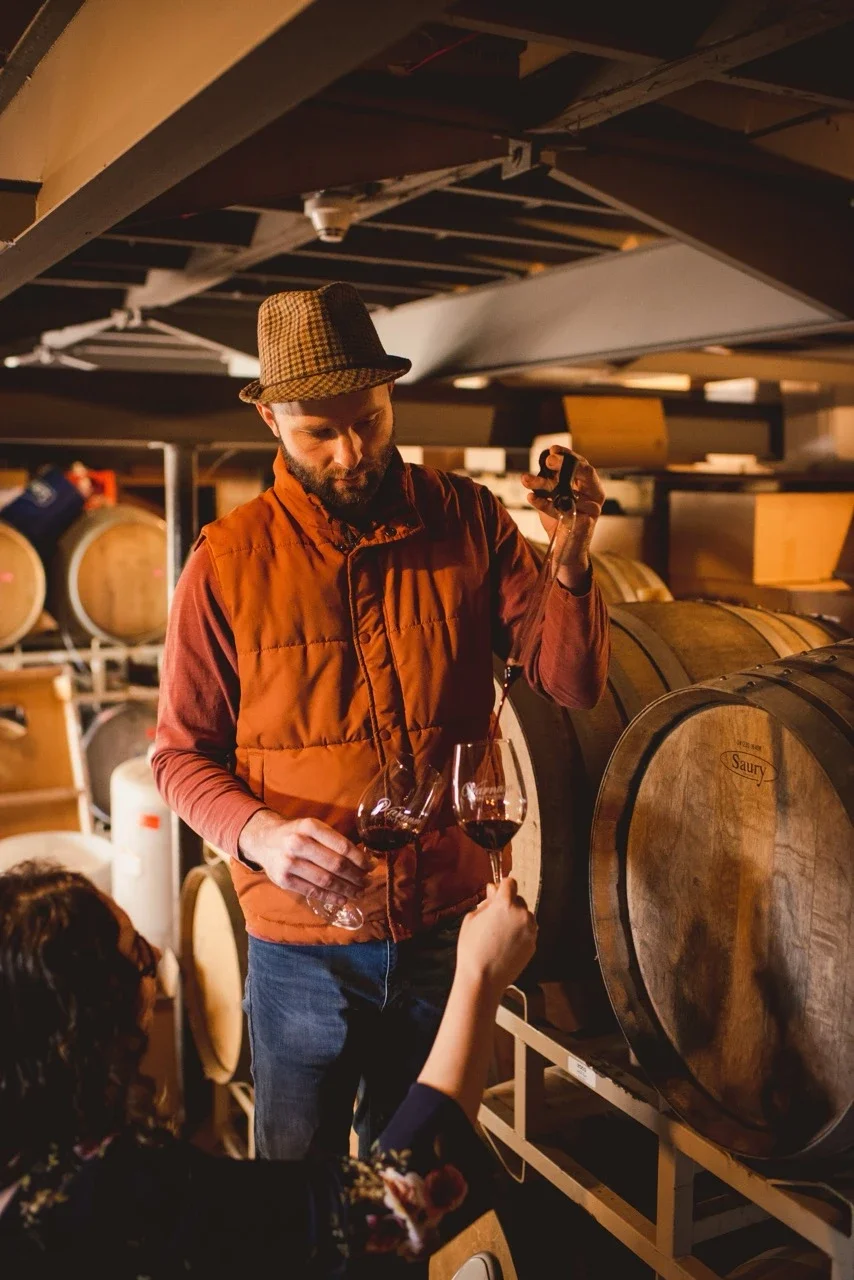
This observation is potentially important for the future of premium non-alcoholic wine. Much of the category has focused on improving dealcoholization technology itself, how gently alcohol can be removed, how aromas can be recovered and what can be added back afterwards. But Varnum’s experiments suggest the variable of a wines age may deserve just as much attention.
Quality of wine is also part of their equation. They’ve partnered with other Oregon wineries to dealcoholize several pinot noirs from the same vintage using the same spinning cone equipment. Even after processing, the wines from the separate and distinct vineyards still remained distinctly different.
“It was like the purified essence of each of those pinot noirs,” she said. “It was all pinot noir, all the same vintage, but yet each distillate tasted very different.”
For Varnum, it reinforced something increasingly obvious in high-quality non-alcoholic wine, and that is the wine you start with matters enormously.
Their collaborative model also lets Varnum work with other small Oregon producers and single-vineyard wines while creating enough volume to make dealcoholization practical. Some wines are entirely made by Varnum but others come through partnerships with neighbouring winemakers.
That wine-first philosophy extends into their tasting room, where alcoholic and non-alcoholic flights are offered side-by-side. Taralyn says adding non-alcoholic wine hasn't cannibalized the traditional business. It’s actually increased overall wine sales by allowing people who stopped drinking, were pregnant or simply wanted an alcohol-free option to return to wine country with their friends and families.
“You can come and be in wine country and have a great experience and have the wine taste like wine without the alcohol.”
Now Varnum is pushing that philosophy even further.
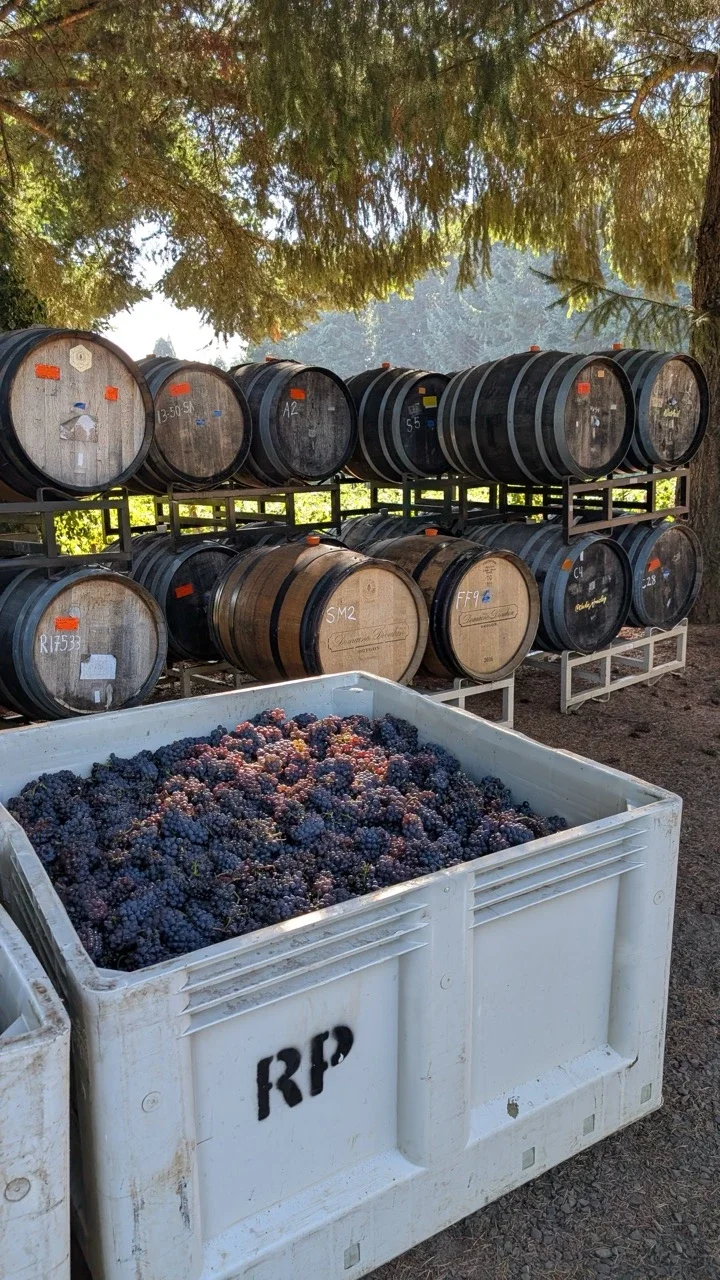
Rather than buying commercial grape concentrate to make tiny adjustments after dealcoholization, this harvest they're planning to retain and pasteurize juice from their own wine grapes. If a finished wine needs a touch of sweetness to balance its acidity, even the grape juice added back can come from the same vineyard.
“It’s literally going to be a single vineyard down to the grape juice,” Varnum explained.
It's an unusually meticulous approach in a category starting to be overrun with big box corporate brands making less-than elegant dealcoholized wine options. But Varnum isn't trying to make sophisticated grape juice.
They're trying to make wine and that's exactly why this winery is worth paying attention to.
Visit Varnum Vintners to pick up one of their non-alcoholic wines and see for yourself.